

Most Aussie players know the cards, but the session often drifts after an hour or two. That’s where poker mental game coaching earns its keep, turning tilt into a routine you can actually manage. I’ve seen the same pattern in fintech delivery work: a governed workflow beats a clever one-off fix every time, and that’s the lens I use when judging any coaching product. A good programme doesn’t promise miracles; it gives you a repeatable way to track variance, reset after bad beats, and keep your bankroll decisions steady.
What the coaching actually covers
A solid poker mental game coaching package starts with a baseline read of your tendencies: how quickly you chase losses, whether you overplay marginal hands after a slow hour, and how you react when the table dynamics shift. The best programmes pair that read with short, daily drills rather than long theory dumps. You’ll usually get a structured journal template, a variance tracker, and a set of pre-session prompts that keep your decisions aligned with your strategy. I’ve overseen product rollouts where a simple checklist outperformed a flashy dashboard, and the same logic applies here: the tools need to be quick enough to use when you’re tired, not another chore you skip. Sessions should be short enough to fit around work, with clear checkpoints so you can see whether your tilt frequency is actually dropping.
- Pre-session breathing and focus drills
- Post-session variance and tilt logging
- Hand-range reviews tied to emotional state
- Bankroll rules that survive a downswing
How the delivery and support hold up
Delivery matters as much as the content, especially when you’re balancing a day job and a couple of sessions a week. The better operators run video check-ins that stay focused on your actual logs, with a coach who calls out patterns rather than generic advice. Support should be responsive when you need to reschedule or ask a quick question between sessions, and the platform ought to handle Aussie time zones without making you jump through hoops. I’ve built wagering workflows where localisation wasn’t just language and currency – it was about making the whole flow feel native to the person using it, and that’s the bar here too. If the dashboard reads like it was translated late at night, you’ll spend more energy navigating it than using it.
Some casinos pump subtle scents into the air, which studies link to increased spending, and that’s a useful reminder that your environment shapes your decisions as much as your strategy does. If you’re logging in from a noisy room or a phone on the kitchen bench, the coaching needs to account for that reality instead of pretending you’re always sitting at a quiet desk. Payments and registration should be straightforward, with clear currency handling so you’re not doing mental maths on every deposit, and mobile access should let you review a short drill without forcing you into a desktop workflow.
Acknowledging those real-world distractions is the first step toward building a routine that actually holds up when you play book of dead slot. You can still sharpen your decision-making by carving out a consistent window, silencing notifications, and treating every session like a deliberate practice rather than a reactive habit. For readers who want a structured approach to managing those everyday variables, the guide at https://bookofdeadslotau.com/ offers a practical framework that adapts to your actual setup.
The discipline side of the game
A lot of players treat mental game work like a soft add-on, then wonder why the same mistakes recur when the cards turn cold. The reality is that chip design and table security have become seriously technical over the years – RFID and UV markings make modern chips hard to forge, and that level of rigour is a decent analogy for what you want from a coaching programme. You’re looking for precise tracking, not vague reassurance. The Casino Wiesbaden is another storied German gaming house, and even there the discipline around routine and observation has always mattered as much as the cards themselves. In your own sessions, that translates to clear rules for when you step away, how you review a losing hour, and what you change before the next one.
Blake Robinson, Affiliate Partnerships Director, Harbour City Gaming Review, puts it plainly: “The players who last are the ones who treat their mental routine like a governed process, not a mood.” That’s the kind of framing that keeps coaching from becoming just another pep talk. Alice Davies, Compliance Director, Capital Territory Gaming Forum, adds a useful caveat: “Any programme worth its salt should help you make steadier decisions under pressure, not promise outcomes the game doesn’t deliver.” Both points land because they describe a measurable shift in how you play, rather than a vague promise of better results.
Who this actually suits
This isn’t for someone chasing a quick fix or expecting a coach to hand them a new winning system. It’s for regular players who already know their way around the table but keep leaking chips to frustration, distraction, or poor session planning. If you’re the sort who can sit down with a mate over a flat white and admit you played badly after a rough arvo, you’re probably a decent fit. I’ve watched two mates hash this out over a flat white at a local café, one arguing that mental game work was just navel-gazing, the other pointing out that the same player kept making the same mistake after every bad beat. The second mate had the better read: the issue wasn’t knowledge, it was repetition under pressure.
The right programme should match your pace, give you drills you’ll actually do, and track whether your tilt episodes are shortening over time. If you’re playing regularly across Aussie tables and want your decisions to hold up when the variance bites, this kind of coaching can be the difference between a session you walk away from and one that drags you back in. It’s not magic, and it won’t smooth out the swings, but it does give you a sturdier way to handle them.
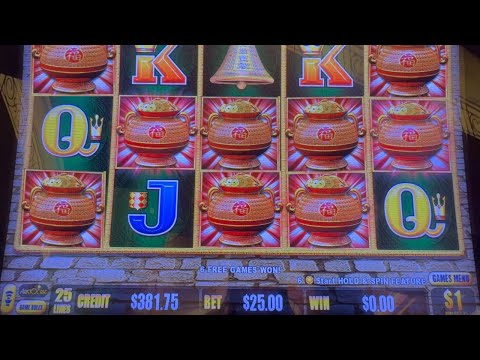
If you want the same kind of governed, repeatable approach in a different setting, you can always play book of dead slot, though the mental discipline behind poker coaching is what keeps your sessions steady rather than the game itself.
